
The Odds: Understanding the House Advantage
When discussing the possibility of beating the house in a casino, one must first understand the concept of the house advantage. This is the built-in edge that casinos have over players, which ensures that over time, the casino will always make a profit. For example, in games like blackjack, the house might have an edge of around 1% to 2%, while in slot machines, this can range from 2% to even 10% or more, especially at an australian online casino payid where the odds can vary widely. Understanding these odds helps players make informed decisions about which games to play and how to manage their bankroll effectively.
Many players mistakenly believe that they can overcome the house advantage through skill. While certain games, like poker and blackjack, involve elements of strategy that can reduce the house edge, the reality is that the house advantage is fundamentally built into the game rules. Even the most skilled players cannot completely negate this advantage over the long term. Therefore, it’s crucial for players to approach their gaming experience with realistic expectations regarding their chances of winning.
Furthermore, the emotions and psychology involved in gambling can skew a player’s perspective. Many gamblers experience a phenomenon known as “loss chasing,” where they try to recover losses by betting larger amounts, which can lead to even greater losses. Thus, understanding the odds and maintaining a disciplined approach is essential for anyone hoping to enjoy their casino experience without falling prey to the house’s inherent advantage.
Strategies to Maximize Your Chances
While beating the house outright is challenging, players can implement various strategies to maximize their chances of coming out ahead. In skill-based games such as blackjack, using strategies like basic strategy charts can significantly reduce the house edge. This involves making mathematically sound decisions based on the player’s hand and the dealer’s upcard. Players who take the time to learn and apply these strategies often find themselves performing better than those who rely on luck alone.
For games like poker, where skill is a major component, studying opponents and understanding betting patterns can provide a considerable advantage. A skilled poker player who practices regularly and understands the nuances of the game can often beat players who rely solely on luck. Additionally, bankroll management plays a crucial role; knowing when to bet big and when to fold can lead to more successful gaming sessions.

It’s also important to choose games with the best odds for the player. Games such as video poker and certain table games like craps offer better player odds compared to others. By focusing on these games, players increase their chances of winning in the long run. While it’s impossible to entirely eliminate the house advantage, these strategies can help players make smarter decisions and enjoy their time at the casino more effectively.
The Role of Luck in Gambling
Luck plays an undeniable role in gambling, and this is particularly evident in games of chance such as slots, roulette, and baccarat. In these games, outcomes are determined purely by random number generators or physical randomness, making it impossible for players to influence the results. While some players enjoy the thrill of these games, it’s vital to remember that luck can be fleeting, and the odds will always favor the house.
Even experienced gamblers will tell you that they have experienced both winning streaks and losing streaks. This phenomenon is part of the unpredictable nature of gambling. The excitement of hitting a jackpot or winning a large hand can be exhilarating, but the reality is that these moments can be few and far between. With such a strong emphasis on luck in the gaming experience, players must manage their expectations and be prepared for the inherent risks involved.
In essence, while there are strategies to improve the odds, luck remains a significant factor. Those who choose to gamble should do so primarily for enjoyment, rather than an expectation of consistent winnings. Recognizing the role of luck can lead to a more balanced, less disappointing gambling experience, as players understand that losing is as much a part of gambling as winning.
The Psychology of Winning and Losing
The psychology behind gambling is a fascinating aspect that influences player behavior. Winning can create a powerful emotional high, encouraging players to continue betting in hopes of replicating their success. However, the flip side is the emotional toll that losing can take, which can lead to irrational decision-making. The feeling of being “on a roll” can propel players to wager larger amounts, while the despair of a loss can make one desperate to recover lost funds.
Many players are also susceptible to cognitive biases, such as the gambler’s fallacy, which is the belief that past events can influence future outcomes. For example, if a player observes several red outcomes in roulette, they may mistakenly believe that black is “due” to happen. This flawed reasoning can lead to poor betting choices and greater losses over time. Understanding these psychological traps is essential for any player hoping to maintain discipline and make rational decisions.
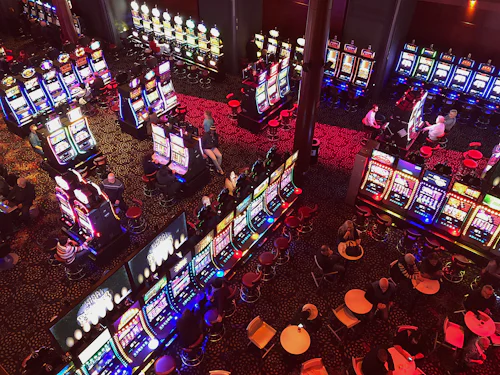
Moreover, casinos are designed to keep players engaged and often provide a stimulating atmosphere that can contribute to compulsive behaviors. Factors such as bright lights, sounds of winning, and complimentary drinks can all heighten the desire to keep playing. Therefore, players should be aware of the psychological traps and patterns that can arise during gambling sessions and strive to maintain a balanced approach to their gaming habits.
Conclusion and Responsible Gaming
In conclusion, while there are ways to improve your chances of winning in a casino, it is important to acknowledge that beating the house consistently is a challenging endeavor. With knowledge of game strategies, an understanding of the odds, and a recognition of the role luck plays, players can enhance their gaming experience. However, the house advantage is a fundamental aspect of casino games that cannot be ignored.
The key to a fulfilling casino experience lies in responsible gaming. Setting limits on time and money, being aware of the emotional aspects of gambling, and keeping a realistic mindset can help mitigate potential negative impacts. Whether playing for fun or with the hope of winning, players should prioritize their entertainment over the idea of making a profit.
For those seeking information and resources on gambling responsibly, it’s beneficial to access various platforms that provide guidance on the matter. Educating oneself on safe gambling practices and recognizing the signs of potential gambling issues can lead to healthier gaming experiences and ensure that the thrill of the casino remains enjoyable. Staying informed and making conscious choices can lead to safer, more rewarding gaming experiences in the long run.