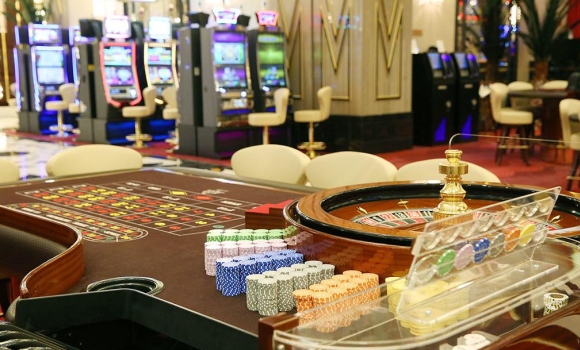
The Allure of Casino Games
The allure of casino games is deeply rooted in human psychology. These games offer not only the thrill of chance but also the prospect of significant financial rewards. The excitement generated by spinning the roulette wheel or pulling the lever of a slot machine taps into our innate desire for risk-taking, which can elicit a rush comparable to extreme sports. This thrill often drives individuals to return, hoping to recreate that initial emotional high, especially when exploring online casino australia options that expand their gaming experience. The anticipation of a jackpot can evoke feelings of euphoria, making the experience addictive for some players.

Moreover, the design of casino environments plays a crucial role in enhancing this allure. Bright lights, engaging sounds, and vibrant colors create an atmosphere that captures attention and creates a sense of urgency. The strategic placement of games and the absence of clocks and windows further immerse players in a world where time seems to stand still. This sensory overload maximizes excitement and can lead to the phenomenon known as ‘loss chasing’, where players, fueled by hope and adrenaline, continue to play despite setbacks. The carefully curated environment ensures that players are constantly stimulated, reinforcing their desire to keep playing.
Additionally, the social aspect of gambling cannot be underestimated. Casinos often serve as social hubs where players engage with others, share their experiences, and celebrate wins together. This communal aspect fosters a sense of belonging and camaraderie, which can further enhance the overall gambling experience. The interplay between individual thrill-seeking behavior and social interaction contributes significantly to the popularity of casino games, making them an enduring attraction. Players often find themselves forming bonds over shared experiences, which can lead to a deeper emotional investment in the games they play.
The Role of Luck and Probability
Luck is a fundamental concept in casino games, influencing players’ perceptions and decision-making processes. People often attribute wins to luck and losses to bad luck, a mindset reinforced by psychological theories such as the ‘gambler’s fallacy’, where individuals believe that past events affect future outcomes in random games. This belief can lead players to make irrational bets based on their previous experiences, significantly impacting their gambling behavior and strategies. For example, a player might continue to bet on a losing number, convinced that it is ‘due’ for a win.
Probability plays a critical role in the operation of casino games, with each game designed around specific odds that determine the house edge. Understanding these odds can empower players to make informed choices; however, many players are drawn to games that appear skill-based or allow for strategic thinking, such as poker. This perception of control can create a false sense of confidence, leading players to underestimate the role of luck. Despite their skills, the unpredictable nature of chance often prevails, reminding players of the inherent risks of gambling. Knowledge of the odds can sometimes be overshadowed by the emotional highs of winning.
A fascinating aspect of luck in gambling is how it intertwines with cognitive biases. Players often misinterpret streaks of good or bad luck as indicative of their skills or strategies. This cognitive distortion can result in players continuously betting in a losing streak, driven by the belief that a win is just around the corner. By understanding these psychological mechanisms, players can better navigate their gambling experiences and potentially mitigate losses caused by overconfidence or emotional decision-making. Awareness of these biases allows for a more rational approach, reducing the chances of falling victim to misleading patterns.
Cognitive Dissonance and Gambling Behavior
Cognitive dissonance plays a pivotal role in shaping gambling behavior. When players experience a conflict between their desire to win and the reality of losing, they may rationalize their decisions to ease the psychological discomfort. For example, a player may convince themselves that their next bet will surely result in a win, despite a series of losses. This rationalization serves as a coping mechanism, allowing individuals to justify their ongoing participation in gambling activities. Such mental gymnastics can lead to a cycle of persistent betting, despite the odds being stacked against them.
This phenomenon can be particularly pronounced in environments designed to encourage prolonged play. The near-misses often encountered in slot machines create a sense of hope that a win is imminent, reinforcing the player’s decision to continue gambling. The brain’s reward pathways respond to these near-wins similarly to actual wins, deepening the connection between the player and the game. This can lead to a cycle of chasing losses while ignoring the broader picture of their financial situation. Players may overlook their initial budget, believing that their luck will change with just one more spin.
Furthermore, social influences can exacerbate cognitive dissonance in gambling. Observing others win can lead individuals to believe that success is more attainable than it truly is, fostering a competitive mindset. This collective dynamic enhances emotional engagement with the games, prompting players to overlook their rational judgment. By addressing these cognitive biases and enhancing awareness of their psychological impacts, players can make more informed decisions about their gambling habits. Recognizing the influence of group dynamics can help individuals maintain a clearer perspective on their personal gambling outcomes.
The Impact of Marketing and Design on Player Experience
The marketing strategies employed by casinos are designed to tap into psychological triggers that amplify player engagement. Promotions such as free spins or loyalty programs encourage individuals to return in hopes of maximizing their returns. This approach exploits the psychology of reward, where the anticipation of potential gain drives players to engage more frequently with games. The effective use of these marketing tactics can create a sense of urgency, compelling players to act impulsively rather than thoughtfully. Such promotions can lead to overindulgence, where players chase the next reward at the expense of their bankroll.
Moreover, the overall design of casinos is meticulously crafted to enhance the player experience. Layouts are often optimized to lead players through a maze of games, ensuring that they are constantly stimulated and engaged. This thoughtful design not only prolongs playtime but also makes it difficult for individuals to leave the environment. The absence of distractions from the outside world reinforces the sanctuary-like atmosphere of casinos, making them compelling destinations for entertainment. The strategic placement of high-energy games near quieter areas encourages players to explore the entire casino floor.
Attention to sensory details also contributes to the psychological impact of casinos. The sounds of slot machines, the jingling of coins, and the cheers of players create an auditory landscape that heightens excitement. This multisensory experience intertwines with players’ emotions, leading them to associate positive feelings with gambling, reinforcing the cycle of return visits. Understanding these marketing strategies can empower players to recognize when they are being influenced by their environment and make more conscious decisions regarding their gambling behavior. Awareness of these tactics can mitigate impulsive decisions driven by the casino’s ambiance.
Understanding Responsible Gaming
In the context of the excitement and psychological influences that casino games offer, understanding responsible gaming is crucial. Many players may find it challenging to regulate their gambling activities when faced with the psychological triggers present in casino environments. Responsible gaming initiatives aim to educate players about the risks of gambling while promoting strategies to foster a balanced approach. Awareness of one’s mental state, limits on time and spending, and recognizing signs of problematic behavior are essential components of this movement. Such initiatives often provide resources for self-assessment and support.
Educating players on the psychology of gambling can also help them understand their own motivations and behaviors. By recognizing the emotional highs that come with wins and the lows associated with losses, individuals can develop skills to manage their reactions and set boundaries that align with their overall wellbeing. This self-awareness empowers players to engage with casino games in a way that prioritizes enjoyment over compulsion, fostering a healthier relationship with gambling. Strategies such as setting a budget and sticking to it can help mitigate emotional decision-making.
In conclusion, as players navigate the exciting yet complex world of casino games, understanding the psychological forces at play is vital. Many resources and support systems are available to encourage responsible gaming practices, allowing players to enjoy the thrill of casino games without compromising their financial stability or mental health. Engaging in responsible gaming means being informed and proactive, ensuring that the fun remains front and center in the gambling experience. By prioritizing awareness and responsibility, players can maintain control while enjoying the entertainment that casinos provide.